
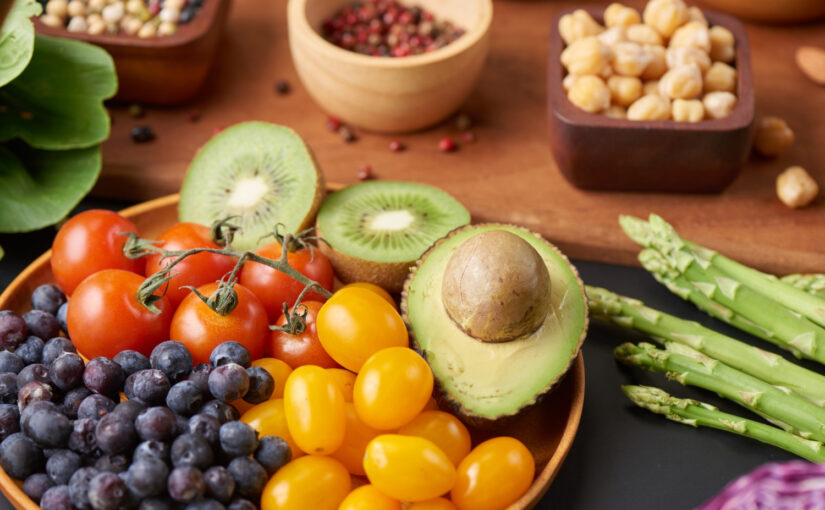
In today’s fast-paced world, maintaining health can feel challenging. Processed and packaged foods dominate many diets, often leaving gaps in nutrition. Choosing organic and whole foods provides a natural path to better well-being. These foods are minimally processed, free from artificial additives, and rich in nutrients. They support overall health while promoting sustainable and mindful eating habits. Understanding the benefits of natural foods empowers individuals to make informed dietary choices. Small changes in food selection can have long-term effects on energy, immunity, and vitality.
Understanding Organic and Whole Foods
Organic foods are grown without synthetic pesticides, fertilizers, or genetically modified organisms. Whole foods are minimally processed and retain their natural nutrients. Both emphasize purity and natural growth. Choosing these foods helps reduce exposure to harmful chemicals. They provide vitamins, minerals, and antioxidants essential for daily function. Organic and whole foods also encourage environmental stewardship by supporting sustainable farming practices. Awareness of their characteristics helps people make informed choices for themselves and their families.
Nutritional Advantages
Organic and whole foods often offer higher nutritional value compared to processed alternatives. Fruits and vegetables retain more vitamins and minerals when grown naturally. Whole grains provide fiber that supports digestion and cardiovascular health. Proteins from organic sources may contain healthier fats and fewer contaminants. These nutrients contribute to energy, immunity, and overall wellness. Eating naturally supports balanced nutrition and helps prevent deficiencies. Nutrient-dense foods empower the body to function at its best every day.
Environmental and Ethical Benefits
Organic farming promotes environmental sustainability. Reduced chemical use protects soil, water, and biodiversity. Supporting ethical farming practices encourages humane treatment of animals and fair labor conditions. Choosing organic products contributes to a healthier planet. Awareness of food origin aligns personal health with environmental responsibility. These choices create a positive cycle that benefits communities and ecosystems. Ethical consumption adds meaning to daily dietary decisions while fostering long-term sustainability.
Reducing Exposure to Chemicals
One of the main benefits of organic foods is lower exposure to chemicals. Over time, these substances may affect health. Organic farming minimizes chemical use, reducing the risk of harmful residues. Choosing organic ensures cleaner food for consumption. Even moderate inclusion of organic products helps decrease cumulative exposure. This conscious choice promotes both personal health and environmental safety, supporting a cleaner ecosystem overall.
Supporting Digestive Health

Whole foods and organic products often contain natural fiber and probiotics. Fiber aids digestion, prevents constipation, and supports gut health. A balanced gut contributes to immune function and nutrient absorption. Minimally processed foods retain natural enzymes that help digestion. Reducing processed and refined foods allows the digestive system to operate smoothly. These benefits encourage long-term health and comfort. Paying attention to digestive wellness is a key step toward overall natural health.
Boosting Immunity and Energy
Natural foods rich in vitamins, minerals, and antioxidants strengthen the immune system. Organic fruits and vegetables provide vitamin C, E, and other essential nutrients. Whole grains and lean proteins support energy metabolism. Regular consumption of nutrient-dense foods enhances stamina and reduces fatigue. A strong immune system helps protect against common illnesses. Eating naturally nourishes the body from the inside, promoting resilience and vitality. This approach ensures sustained energy and overall well-being.
Encouraging Mindful Eating
Choosing organic and whole foods fosters mindfulness in dietary habits. People become more aware of ingredients, sourcing, and preparation. Mindful …

 AI targeted marketing is one of the most significant technologies changing social media for the better. With AI, companies and advertisers can target specific audiences with their ads, content, or products. This is done by analyzing user data to determine what kind of content they would be interested in seeing. AI also helps businesses personalize their messaging for each customer or potential customer.
 Finally, chatbots are also becoming increasingly popular on social media platforms. These bots allow companies and brands to interact with customers in a more personalized way, providing them with answers to their questions or helping them find the product or service they need. Using AI and natural language processing, chatbots can quickly and efficiently understand user requests and provide relevant information quickly and efficiently.
 One of the most popular ways to consume marijuana without smoking is through edibles. Edibles are food items that have been infused with marijuana. They can come in various forms, including candy, cookies, brownies, and even gummies. The THC in edibles is absorbed through the digestive system, so it takes a little longer to feel the effects when smoking marijuana. However, the results of edibles can last for several hours.
 Suppositories are another option for consuming marijuana without smoking it. Suppositories are inserted into the rectum or vagina. They can be made from various materials, including gelatin, cocoa butter, and beeswax. The THC in suppositories is absorbed through the mucous membranes, so the effects are felt more quickly than with edibles. However, the results of suppositories can last for several hours.
 CCS is one of the most effective ways to reduce greenhouse gas emissions and global warming. By capturing CO from power plants and other significant sources, CCS can help prevent millions of tons of carbon dioxide from entering the atmosphere each year. CCS can also help improve air quality and public health by reducing the number of harmful pollutants like sulfur dioxide and nitrogen oxides. These pollutants can cause respiratory problems, heart disease, and other serious illnesses.
 One of the top benefits of probiotic yogurts is that they help to boost your immune system. This is because they contain beneficial bacteria that help to fight off harmful bacteria and keep you healthy. A recent study found that people who ate probiotic yogurt every day had a 50% lower risk of getting sick than those who didn’t eat probiotic yogurt. This is why many nutritionists recommend adding probiotic yogurts to your diet during times of sickness.
 One of the most well-known benefits of probiotics is that they improve digestion. This is because the beneficial bacteria found in probiotics help to balance out the good and bad bacteria in your gut. This can help to improve your digestion and reduce digestive problems like constipation, diarrhea, and bloating. In fact, this is one of the main reasons why many people take probiotic supplements.